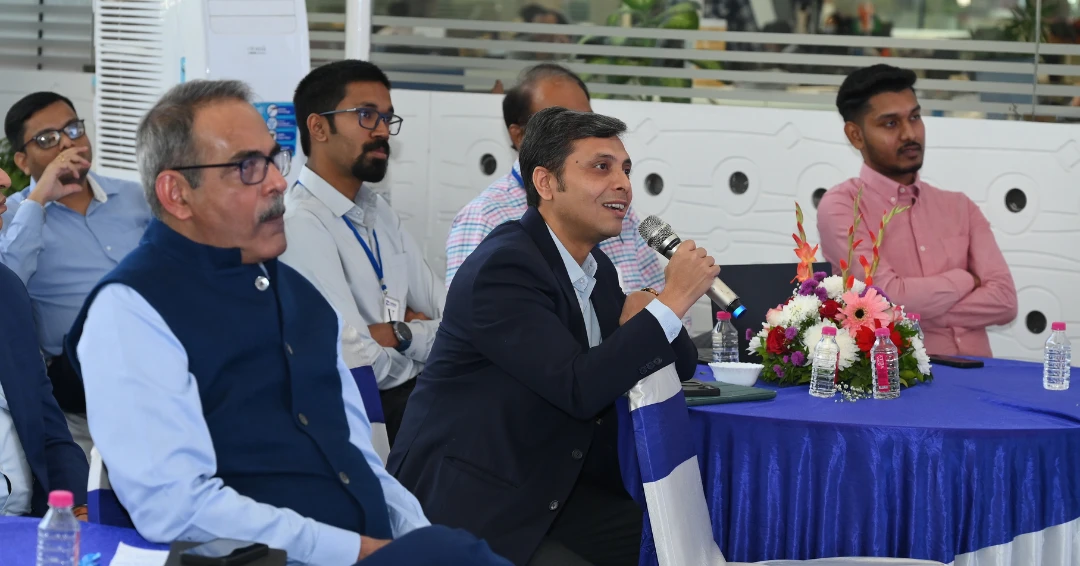

Celebrating Commitment to Energy Efficiency: Forbes Marshall Energy Conservation Awards 2025
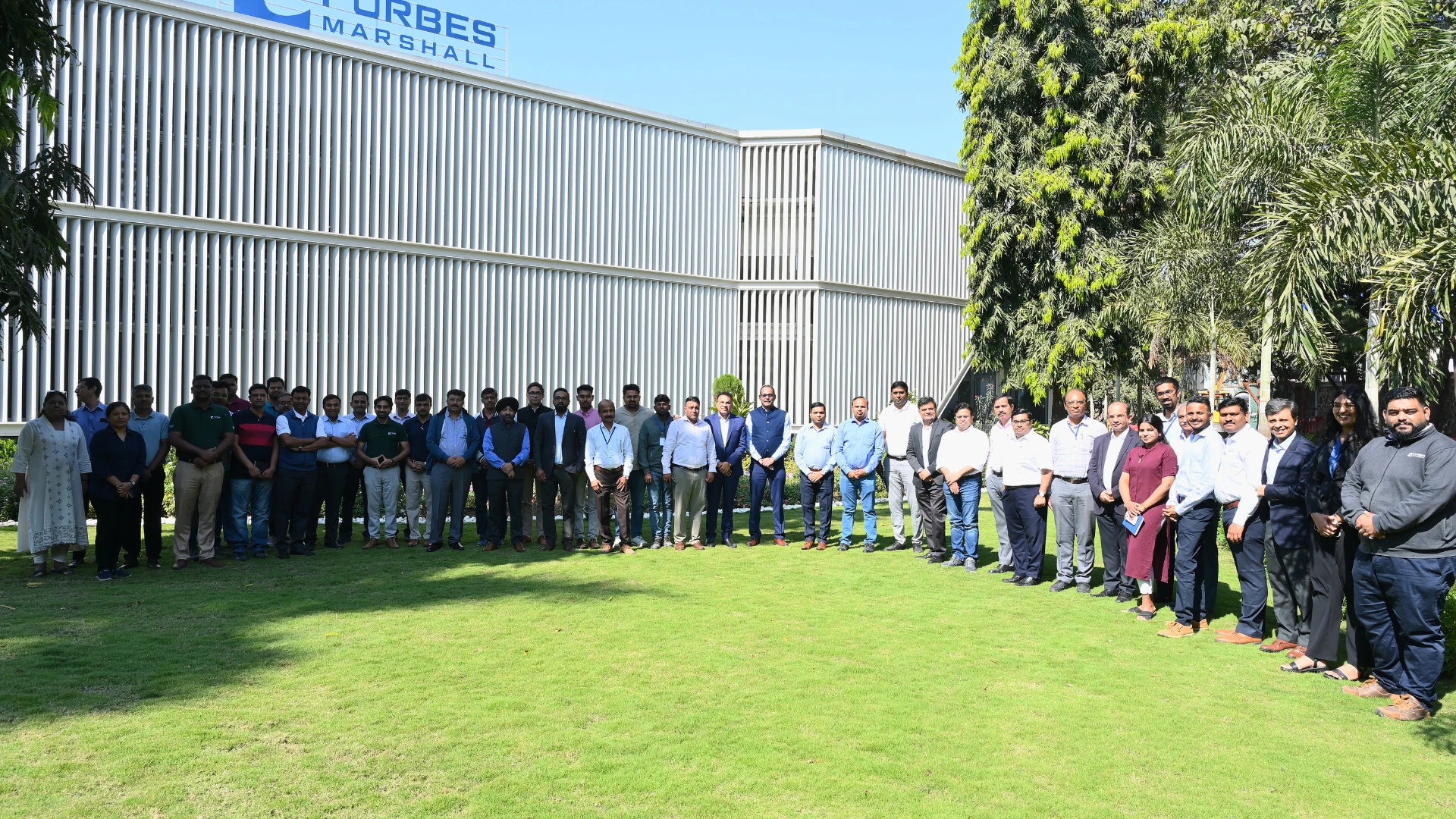
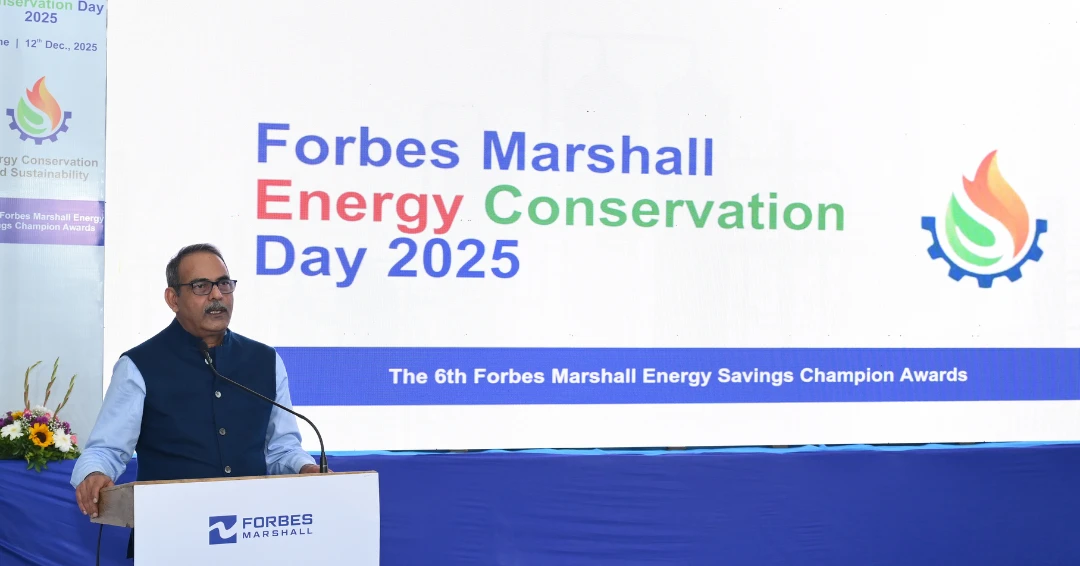
Every year on 14 December, India observes National Energy Conservation Day, instituted by the Bureau of Energy Efficiency (BEE). At Forbes Marshall, this day holds special significance. It has been an opportunity to reinforce the importance of energy efficiency and to recognise organisations that have translated intent into measurable action. A key part of this annual observance is the Forbes Marshall Energy Conservation Awards, now in their sixth year.
Over the years, the awards have evolved to reflect the growing focus on sustainability and efficiency. This year, over 80 entries from India and international markets across 18 sectors highlighted a strong global commitment to reducing energy footprints and improving process efficiency.
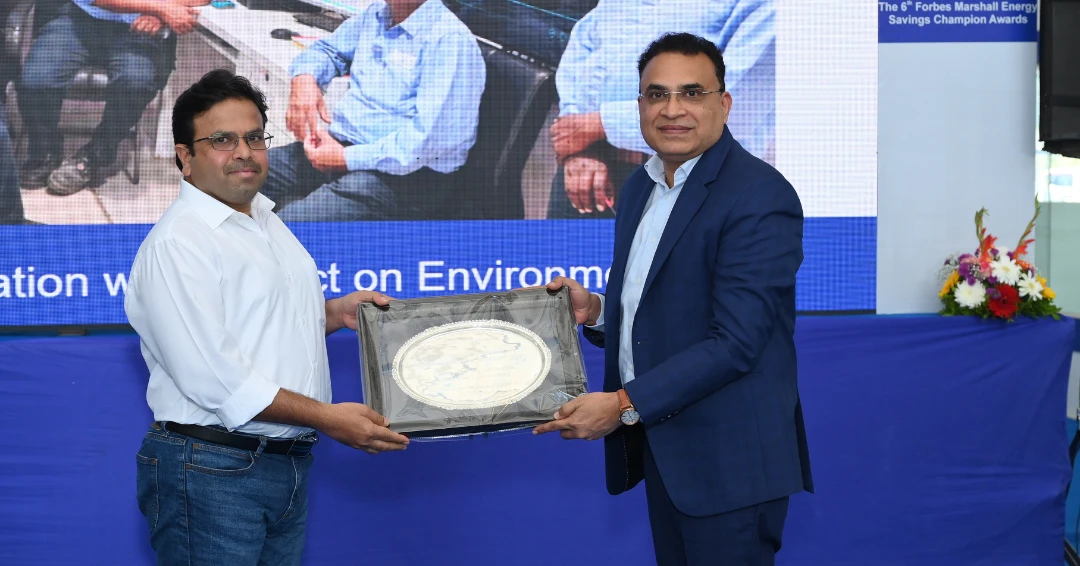
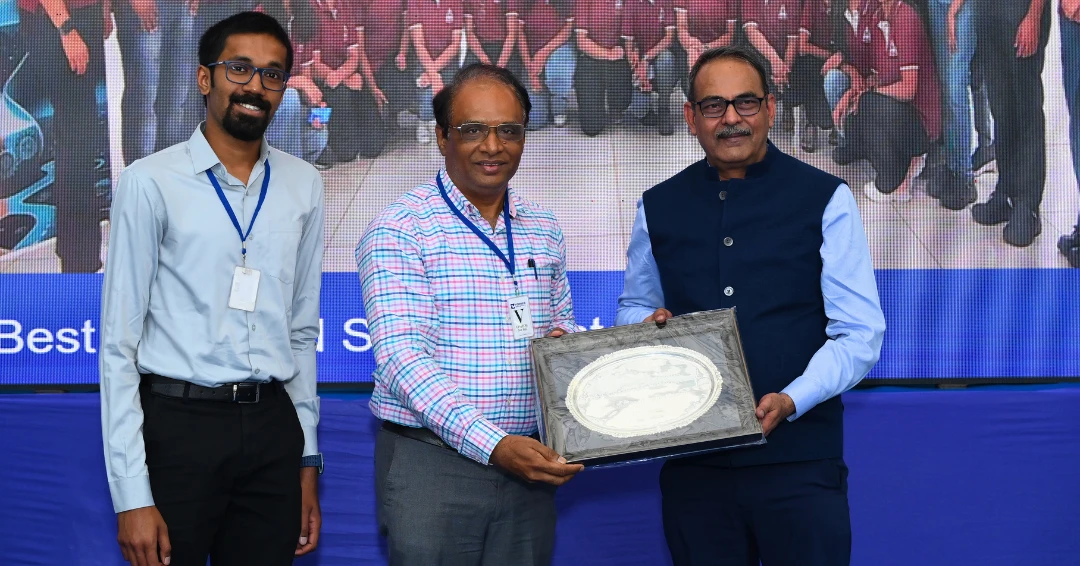
Awards were presented across three categories: Energy Conservation with Impact on Environment, Process and Energy Efficiency, and Best Managed Steam System, evaluated on parameters such as steam fuel bill, water consumption, and CO₂ emissions.
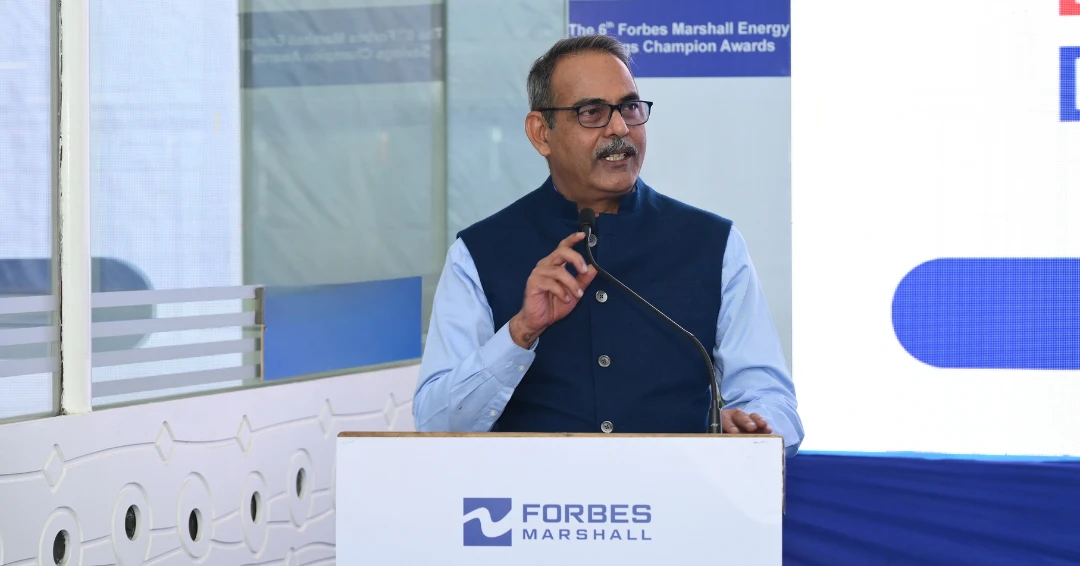
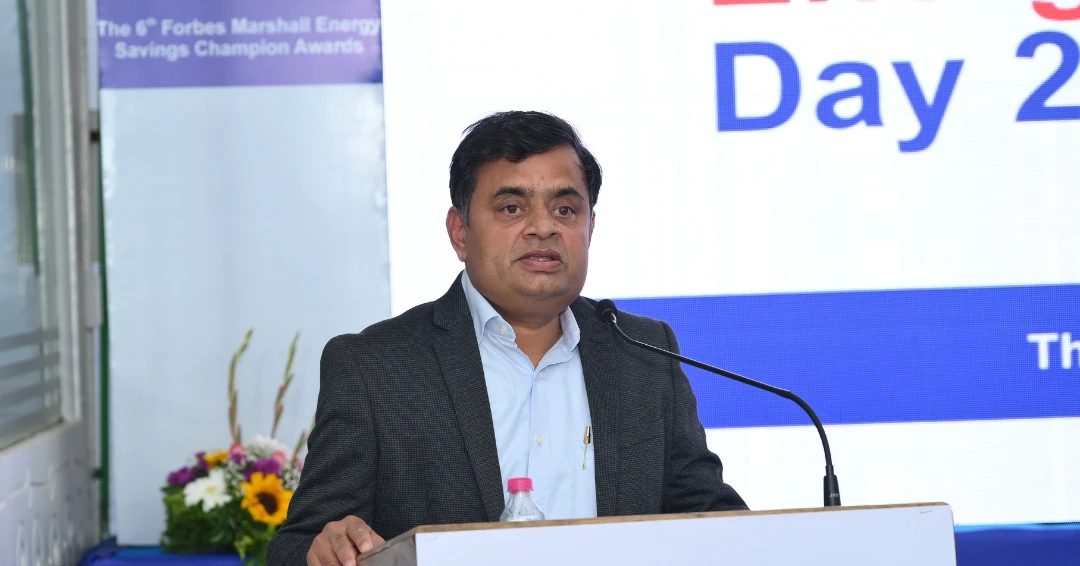
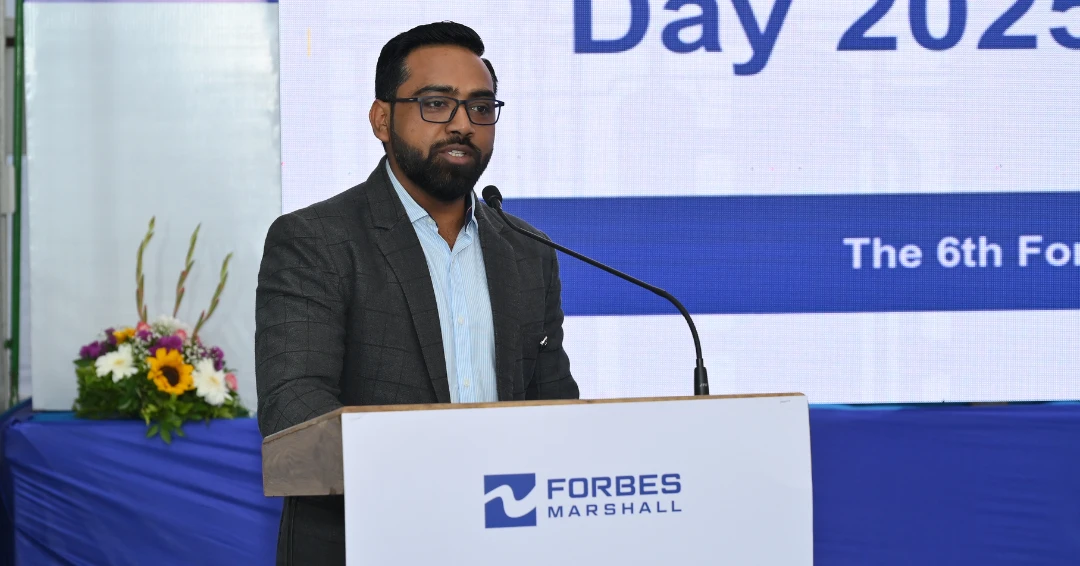
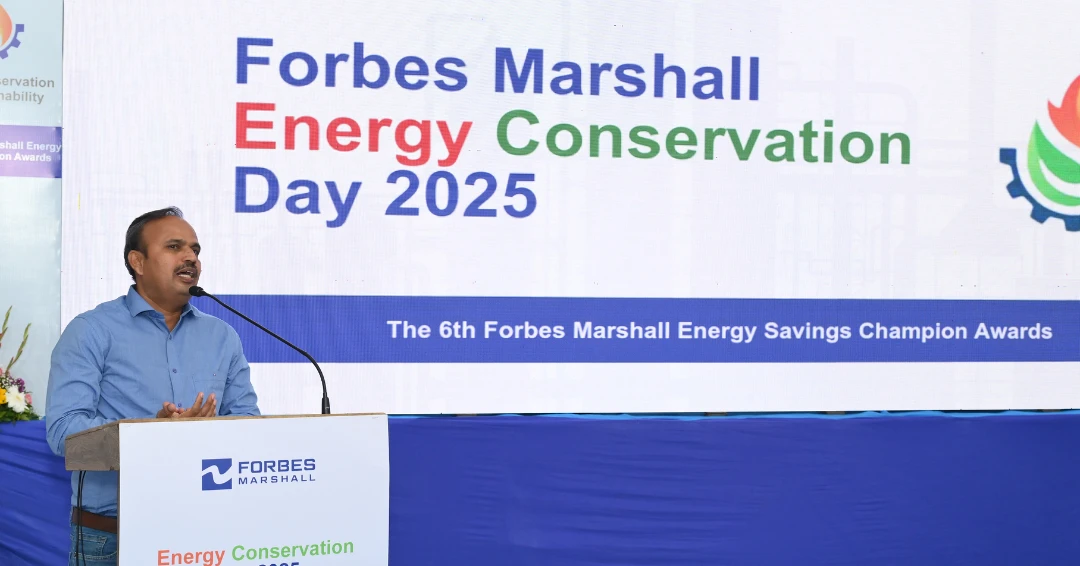
In his welcome address, Satyadeo Purohit, Director – Forbes Marshall reflected on the energy benchmarking journey initiated by the company in 2003. While acknowledging the significant progress made in reducing energy intensity, he highlighted a persistent challenge – the gap between best-performing plants and the industry average remains as wide today as it was two decades ago. Bridging this gap, he noted, continues to represent a major opportunity.
He outlined four fundamental aspects critical to improving energy efficiency: getting the design right from the outset; recognising the impact of evolving technologies across both processes and steam systems; addressing inadequate maintenance that eventually leads to higher fuel costs and reliability issues; and ensuring sustained performance through real-time monitoring of key parameters with predefined corrective actions.
Building on this, Mylsamy Ramasamy, Head- Energy Services, Forbes Marshall shared insights drawn from more than three decades of energy audits. He observed that an average energy savings potential of 20–25% still exists across industries, rising to 30 – 45% in some overseas plants, reinforcing the scale of untapped opportunity.
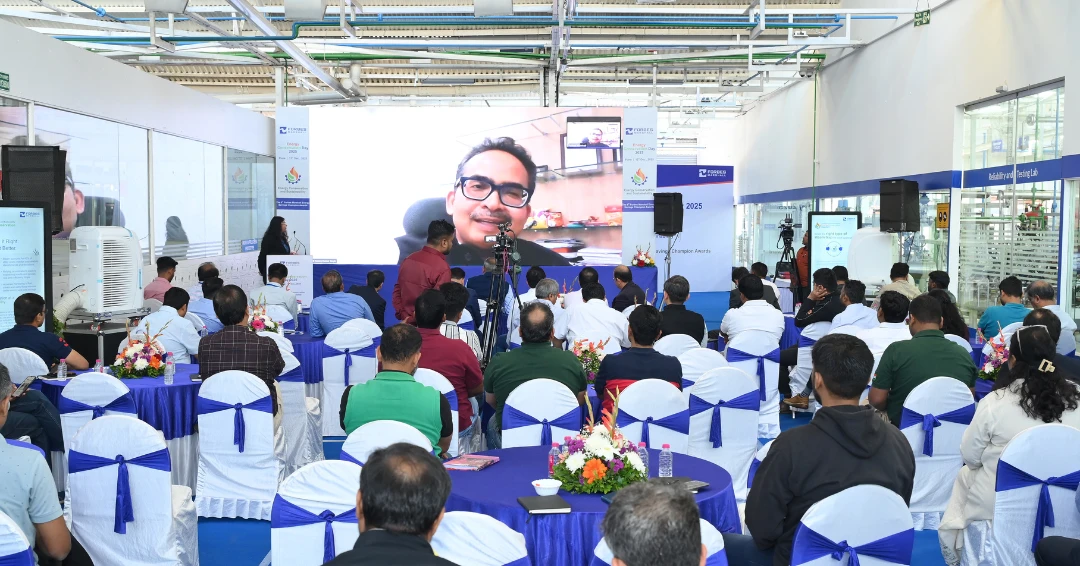
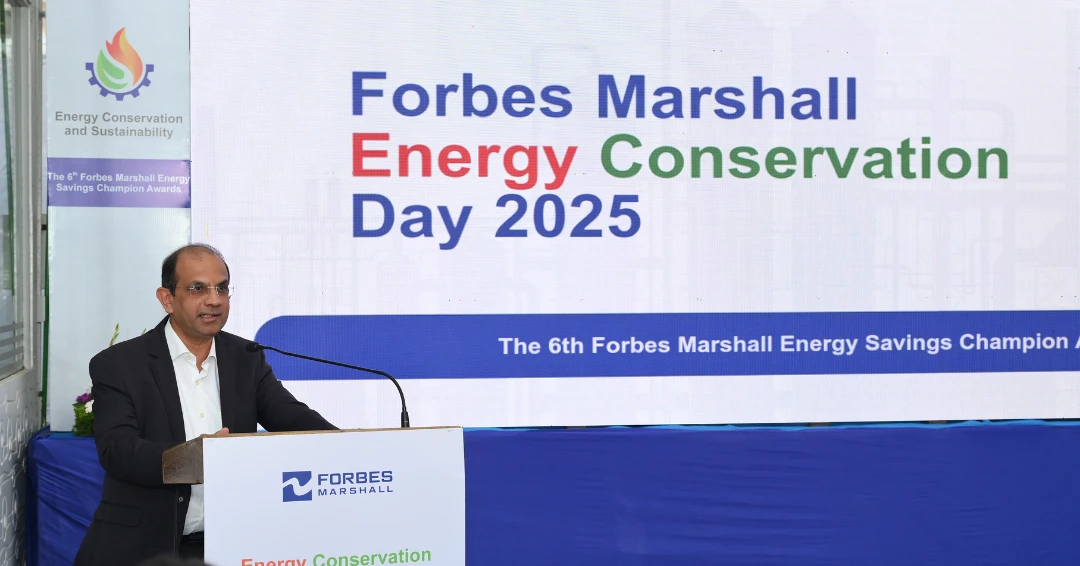
The keynote address by Rahul Awasthi, Global Head of Operations at Sun Pharmaceutical Industries Ltd., emphasised that focus on energy conservation is essential to address rising pressures around cost, safety, climate change, and sustainability. He called for a shift in mindset – moving utilities from being viewed as a “backyard function” to a strategic priority – and acknowledged Forbes Marshall’s role in enabling this change.
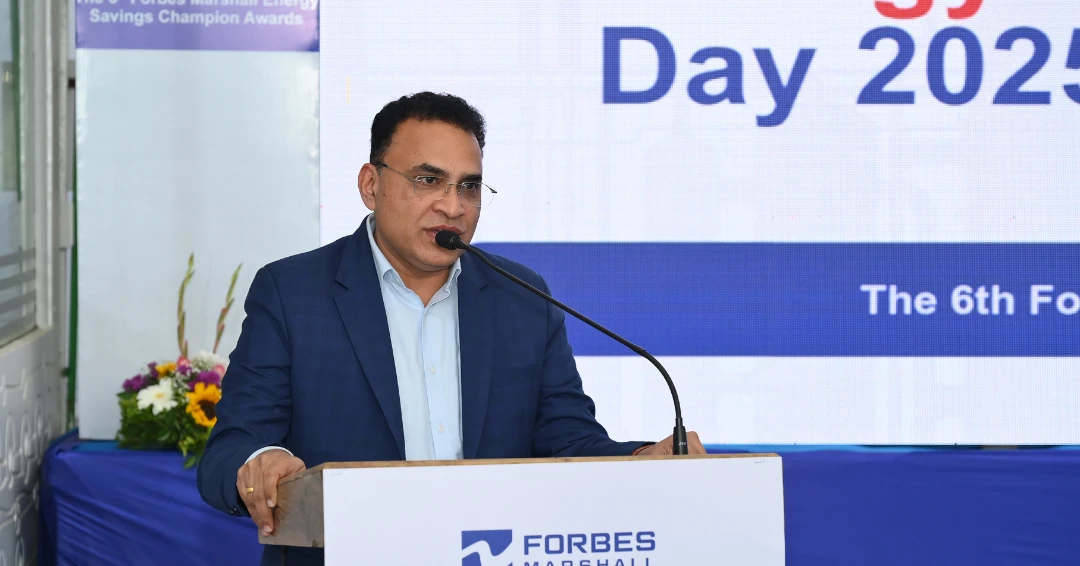
Sharing ITC’s journey, Manoj Kumar Singh, General Manager Engineering and Projects (Foods Division), spoke about the role of digitalisation, smart utility systems, and deep value-chain engagement in achieving sustained efficiency and decarbonisation. He recognised Forbes Marshall as a key partner in ITC’s transition from fossil fuels to biomass across multiple locations.
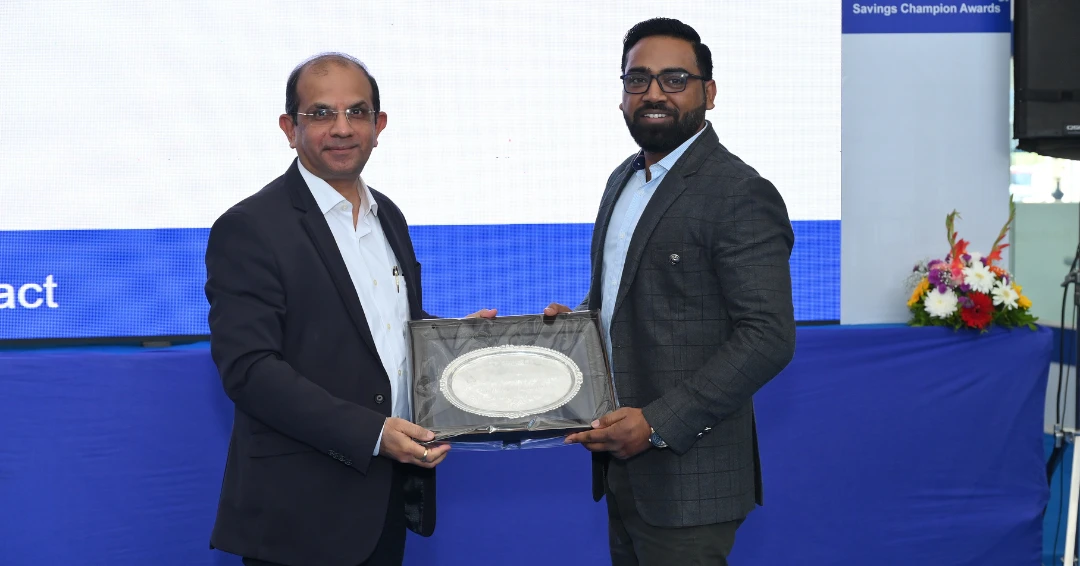
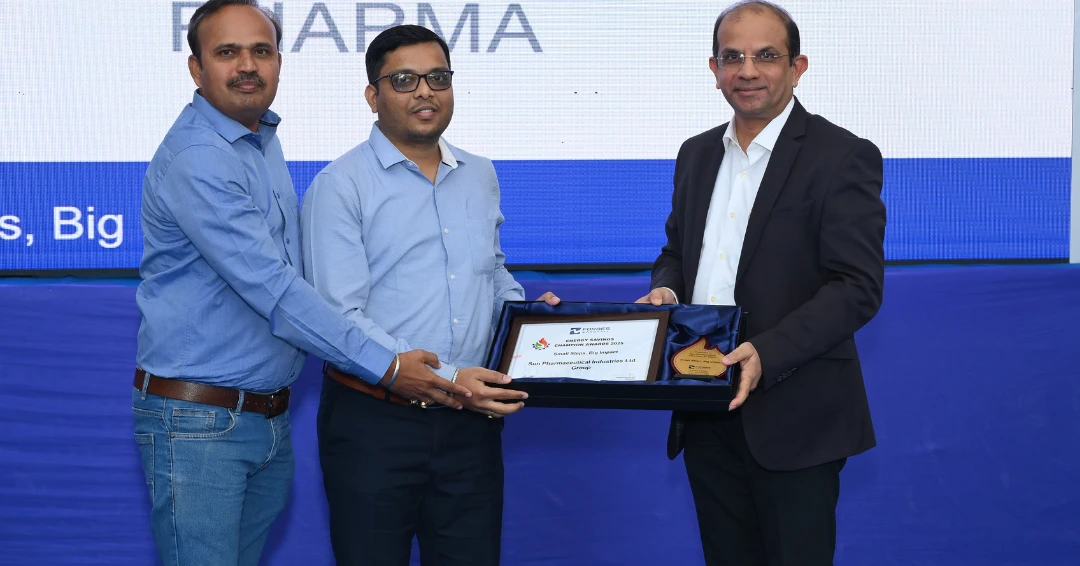
The event concluded with the announcement of award winners across domestic and international categories, celebrating excellence in steam system design, energy conservation, and environmental impact.
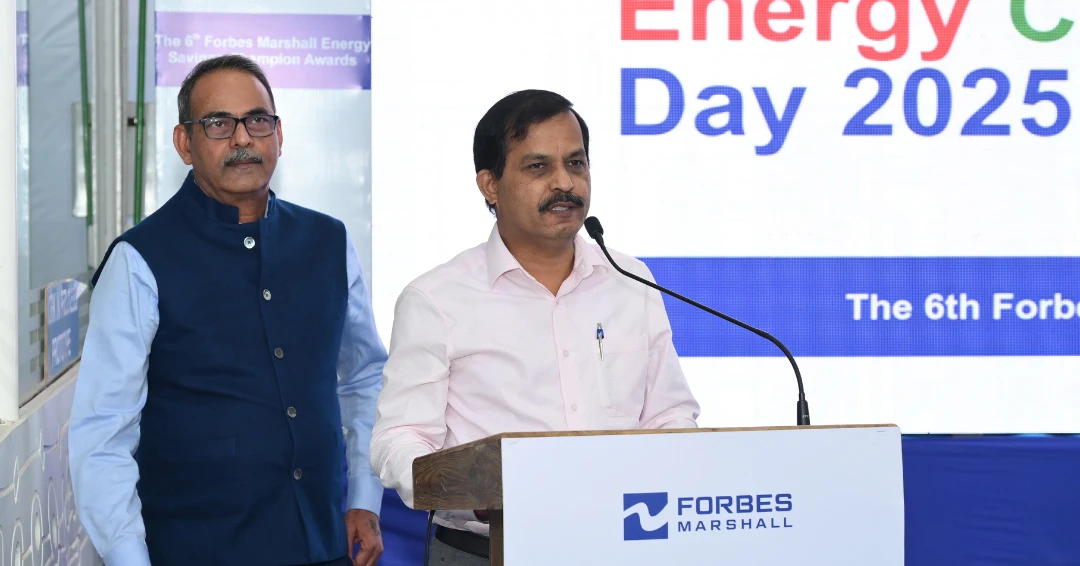
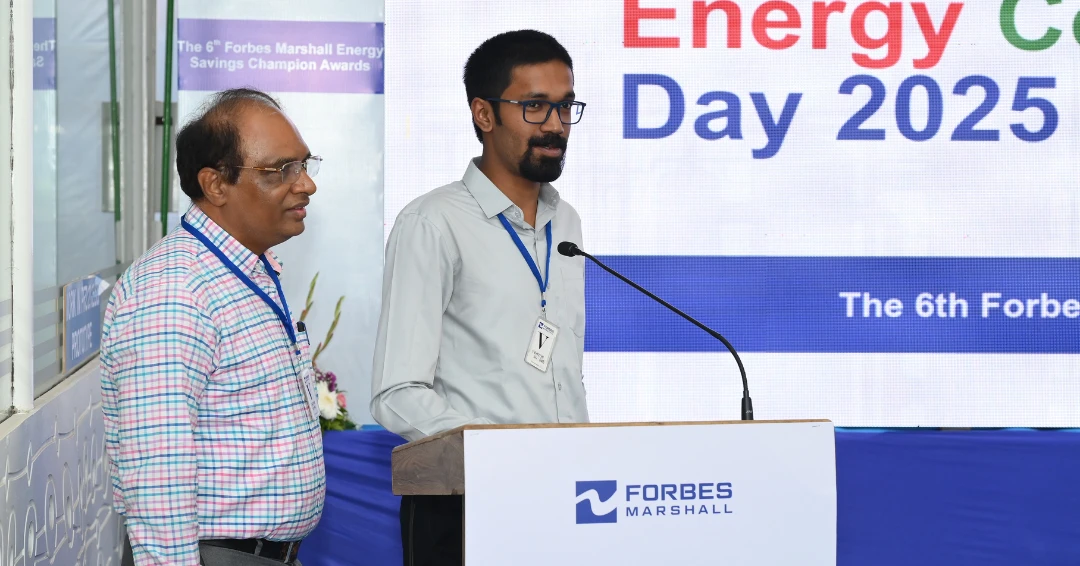
In his closing remarks, Vaibhav Pradhan, General Manager, Forbes Marshall described Energy Conservation Day as a call to collective action, emphasising that meaningful gains come from fundamentals such as leak management, steam trap maintenance, pressure optimisation, and heat recovery. Mukesh Vyas, Head – Integrated Solutions, in his vote of thanks, acknowledged the enthusiasm reflected in the case studies and appreciated Forbes Marshall’s teams for enabling shared learning and partnerships.
The Energy Conservation awards continue to serve as a powerful reminder that meaningful efficiency gains are achievable when intent, fundamentals, and collaboration come together.