
Steam Generation
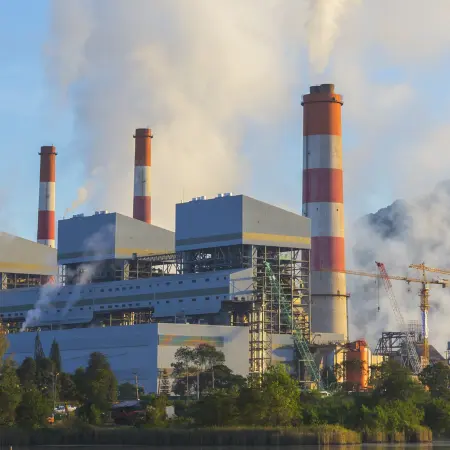
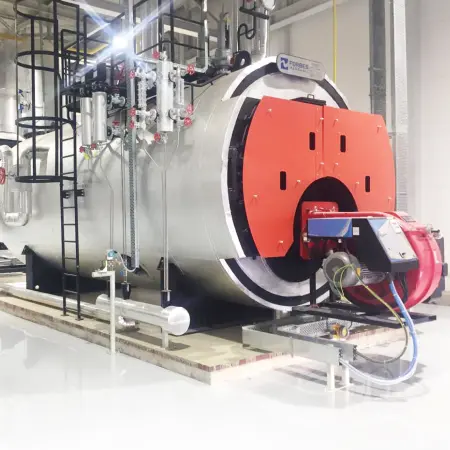
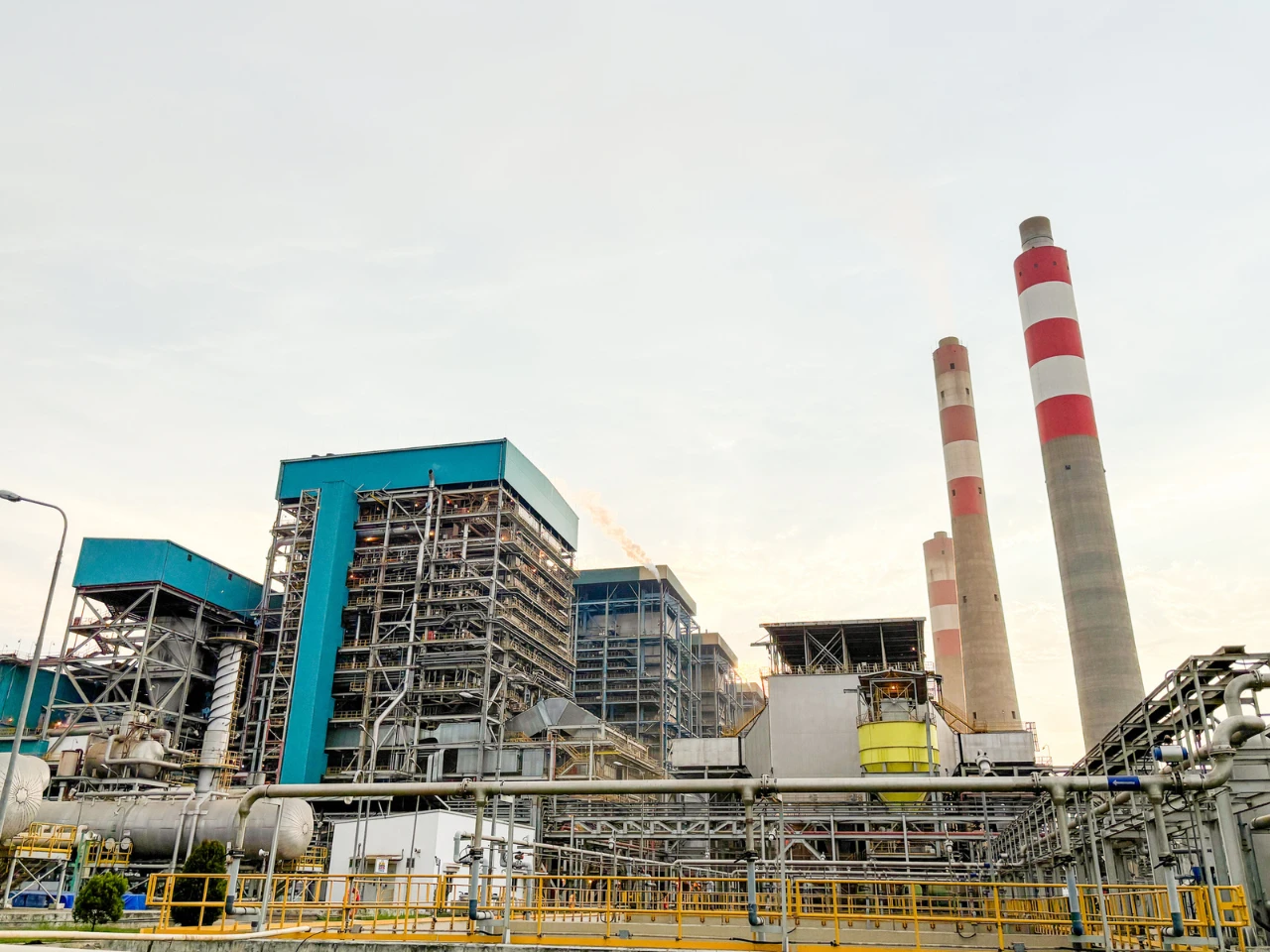
Steam generation is the foundation of energy conversion in thermal power plants. It involves the combustion of fuel in the furnace to generate high-pressure, high-temperature steam, which drives the turbine. The process is highly sensitive to water chemistry and heat transfer efficiency. Maintaining steam quality, ensuring mechanical reliability, and optimising combustion efficiency are essential for safe, reliable, and economic power plant operation.
However, the extreme conditions within boilers and superheaters make them vulnerable to scaling and corrosion. Scaling (from dissolved solids like silica and hardness salts) and corrosion (due to dissolved gases like O₂ or poor condensate quality) are major concerns that degrade boiler tubes, economisers, and superheaters over time, reducing efficiency and increasing downtime. Additionally, the failure of critical auxiliaries such as ID/FD/PA fans, CEP, and BFP can result in unplanned shutdowns, higher auxiliary power consumption, and significant maintenance costs. Even minor deviations in water chemistry or auxiliary fan performance can lead to catastrophic failures, unplanned downtime, and spiraling maintenance costs.
Our Solution:
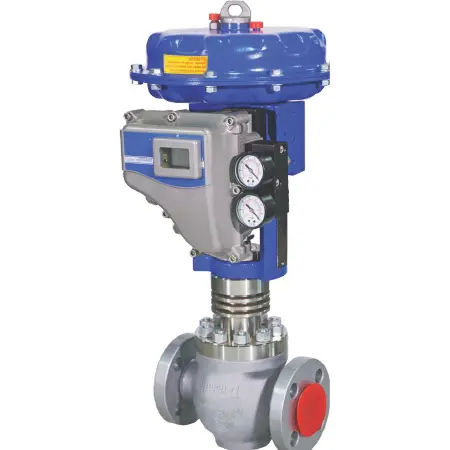
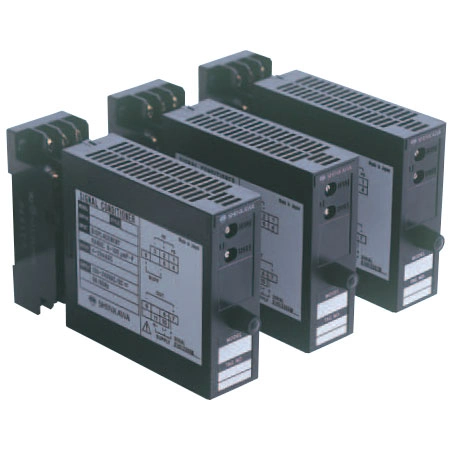
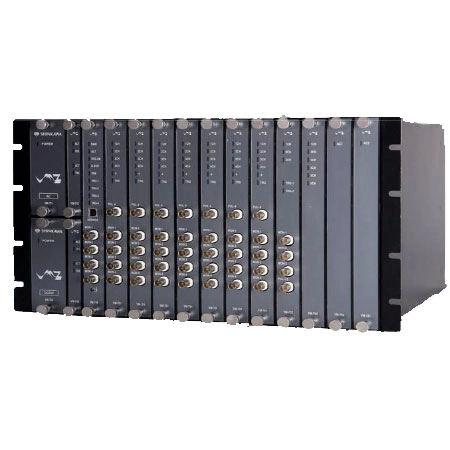
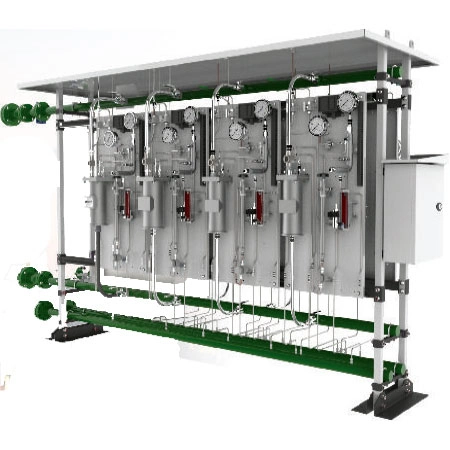
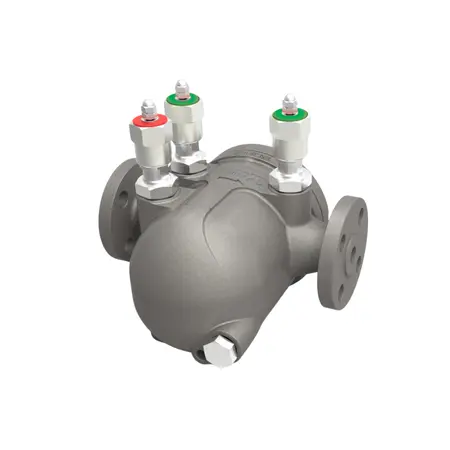
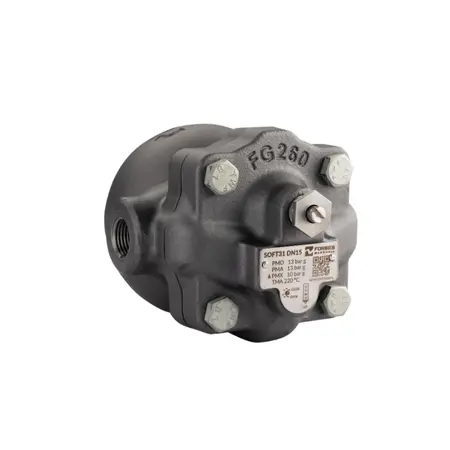
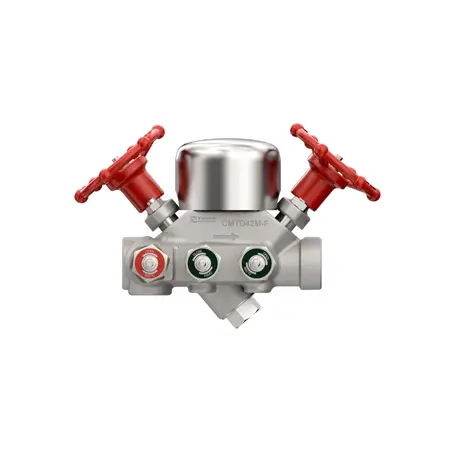
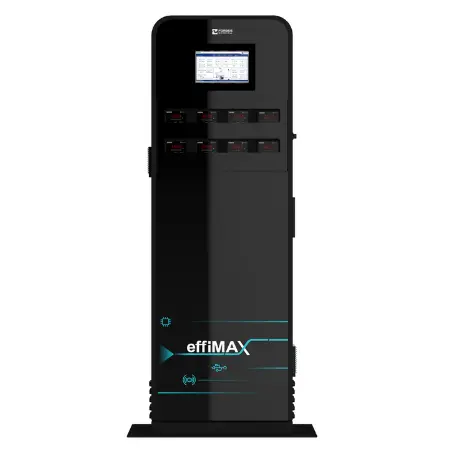
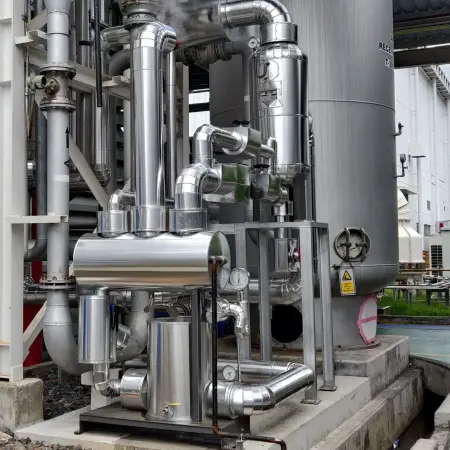
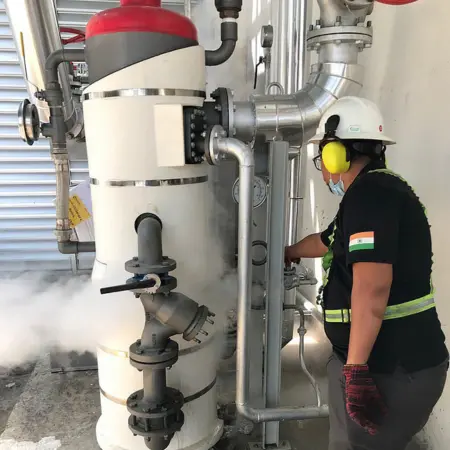
Forbes Marshall solutions for Steam Generation in Thermal Power Plants include