
Compressed Air Systems : Treatment and Components
- Compressed air naturally releases moisture during cooling; if not removed, it damages piping and tools.
- Refrigerant dryers are standard for general plant air, while desiccant dryers provide extremely low dew points.
- Different filters remove solids, liquid water, and oil aerosols at various points in the system.
- Storage tanks (wet and dry) stabilize pressure and help manage condensate.
- Automatic drains are crucial for removing accumulated water without wasting expensive compressed air.
While the compressor generates the air, the treatment system ensures that generated air is usable. Atmospheric air contains dust, moisture, and oil vapors that become concentrated during compression. Without proper treatment, this air is a mixture of contaminants that leads to corroded pipes, frozen valves, and ruined products. This article examines the critical components that clean, dry, and control compressed air.
1. Compressed Air Dryers
Dryers are the primary defense against moisture. There are two dominant types of compressed air dryers used in industry:
A. Refrigerant Dryers
These function like a standard air conditioner.
- Operation: They cool the air to approximately 3∘C to 5∘C, causing water vapor to condense into liquid, which is then drained.
- Heat Exchangers: Typically use an air-to-air exchanger (to pre-cool incoming air) and an air-to-refrigerant exchanger.
- Best For: General industrial applications where the ambient temperature remains above freezing.
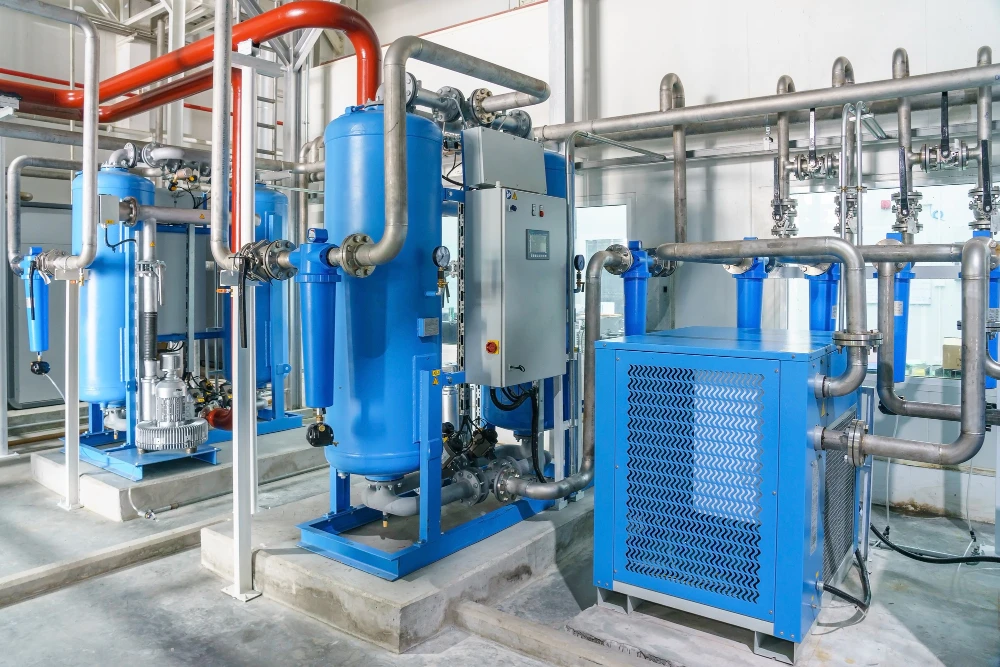
B. Desiccant Dryers
These use adsorption to remove moisture. Adsorption is a surface phenomenon where atoms, ions, or molecules from a gas, liquid, or dissolved solid adhere to the surface of a material (the adsorbent) rather than being absorbed into its bulk.
- Operation: Air is pushed through a tower filled with hygroscopic beads (silica gel or activated alumina) that soak up water vapor.
- Regeneration: While the first tower is busy trapping moisture from the air stream (adsorption), the second tower undergoes regeneration, where the accumulated water is blasted off the beads using heat or a small amount of dry air. Once the beads in the second tower are dry, the system switches roles, ensuring a constant flow of moisture-free air.
- Best For: Outdoor piping (prone to freezing) or sensitive processes like pharmaceuticals and electronics.
2. Compressed Air System Accessories
Beyond dryers, several components are vital for compressed air system integrity:
- Aftercoolers: The first stage of moisture removal. They cool the hot air exiting the compressor, dropping out up to 70% of the water content.Moisture Separators: They utilise centrifugal force or velocity changes to remove bulk liquids from the air stream.
- Air Filters:
- Particulate Filters: Remove dust and scale.
- Coalescing Filters: Remove oil aerosols and fine mist.
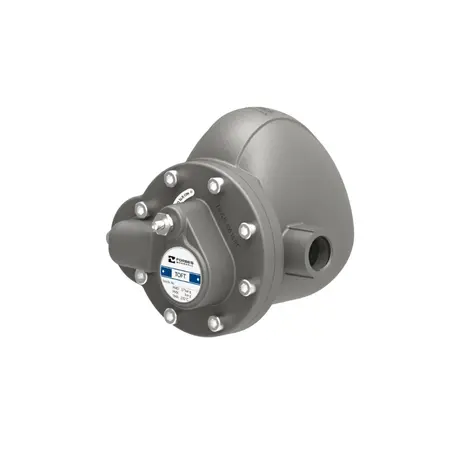
- Condensate Traps (Drains): These collect and discharge the liquid water that drops out of the system. Zero-loss drains are preferred as they discharge water without letting any compressed air escape.
3. Controls and Storage
Controls manage the interaction between the supply and demand sides.
- Start/Stop and Load/Unload: Basic methods to match compressor output to plant demand.
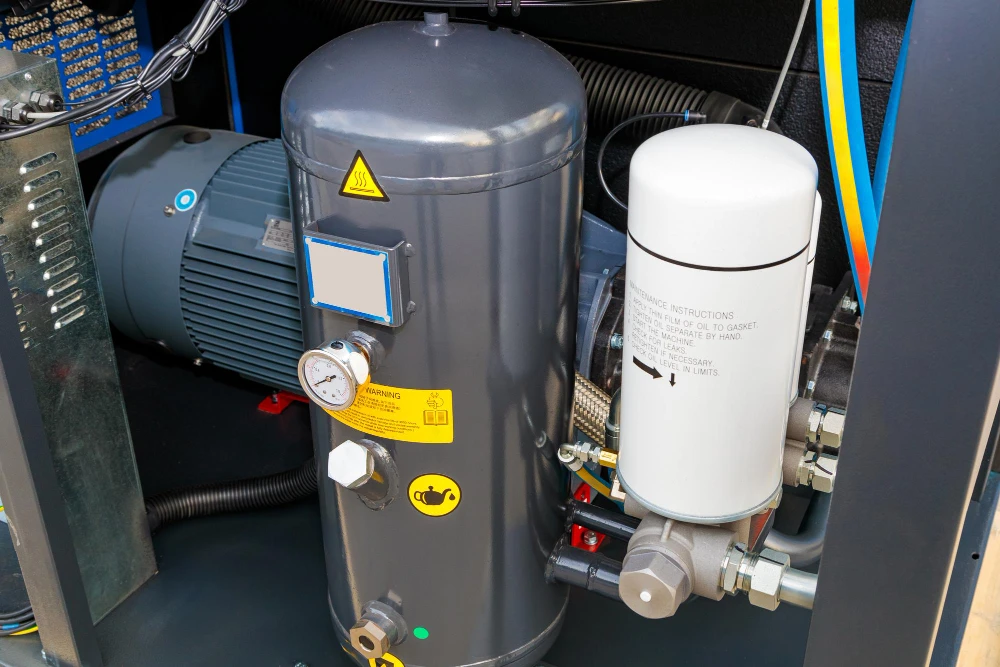
- Storage Receivers:
- Wet Receiver: Placed before the dryer to provide additional cooling and bulk moisture separation.
- Dry Receiver: Placed after the dryer to provide a buffer of clean, dry air for sudden demand spikes.
By selecting the appropriate dryers and filters, and ensuring condensate is removed efficiently, plants can extend the life of their compressed air equipment and maintain consistent product quality.