
Steam System Excellence: High Efficiency Beverage Production Guide
Key Takeaways:
- The beverage industry relies on steam for critical processes like pasteurization, clean-in-place, bottle warming and is often plagued by inefficiencies like stall and inconsistent heating that lead to energy and (CIP, pasteurization, warming) is often plagued by energy-wasting inefficiencies (e.g., stall, inconsistent heating).
- Implementing an integrated steam system management approach—focused on precise pressure/temperature control and steam-operated pump traps for complete condensate removal—is essential.
- Optimizing steam and condensate recovery can cut a plant’s total energy use and emissions by 10–20%, while safeguarding product quality, improving uptime, and eliminating costly reprocessing.
From carbonated drinks to juices, flavored water, and tea or milk based products, the beverage industry is defined by variety, speed, and scale. Consumers expect their favorite beverages to deliver consistent quality, while being produced responsibly. Meeting this expectation is not easy. Plants must balance efficiency, safety, and sustainability, while keeping production lines running at pace.
Behind every bottle lies a sequence of processes like pasteurization, clean-in-place (CIP), activated carbon filtration (ACF), and PET warming, each with its own energy and process challenges, but all working together to ensure that what reaches the shelf is consistent, safe, and appealing. Steam is a common utility integral to each of these processes, silently driving heating, cleaning, and conditioning. How it is generated, distributed and utilized directly impacts productivity, energy consumption and sustainability. Across beverage plants, steam typically accounts for a major share of total energy use.
When managed well, improvements in steam and condensate systems can cut energy use and emissions by 10-20%, while boosting process efficiency and reliability.
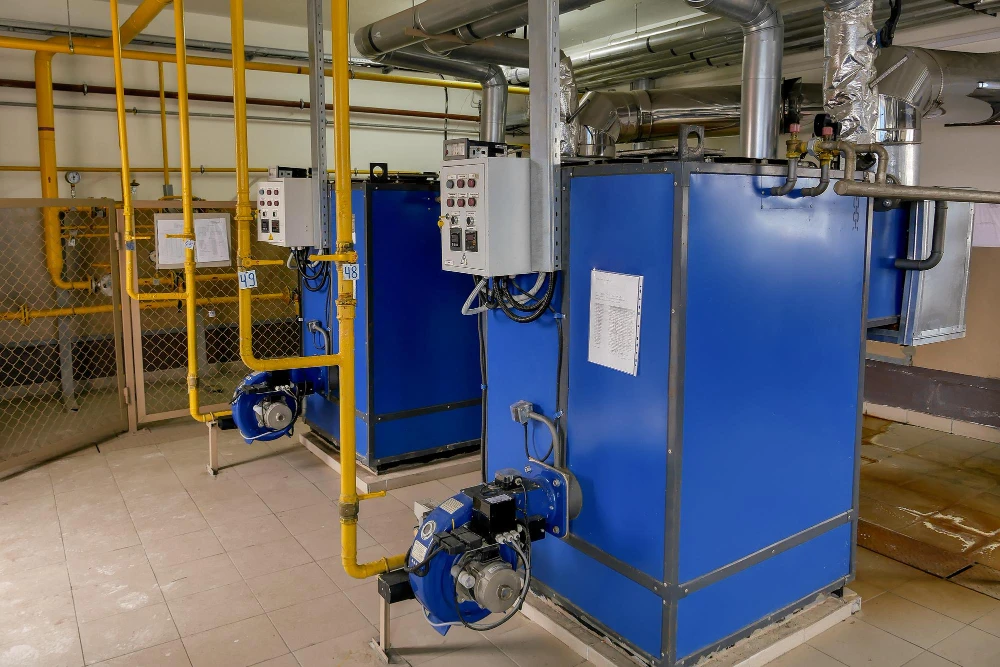
Steam Generation and Distribution: How to Achieve Safe, Efficient, and Reliable Steam?
In the real-world, most boilers run well below their achievable efficiency. Causes include poor combustion control, high stack temperatures, low feed water temperature and poor operating practices (pressures, water quality, blowdown, maintenance, etc).
To run boilers at close to 90% efficiency, with a steam to fuel ratio of 85lbs/Therm, keep oxygen levels between 3–4%, and ensure feed water temperature is ~100°C / ~212°F (without live steam injection). Increasing efficiency from 85% to 90% (benchmark levels) can save ~247,597 sm3 gas and cut ~1.02 million pounds of CO2 emissions annually.
Generate and distribute steam at rated pressure, reducing it at the point of use. Higher pressure improves thermal storage and steam quality at the boiler, and lowers specific volume, allowing smaller pipelines that cut distribution losses and piping costs. Reducing pressure at the point of use improves dryness fraction, raises available heat, and lowers steam consumption.
Remember:
- Every 68°F deviation from optimum flue gas temperature = ~1% higher fuel consumption
- Scaling in the boiler can waste ~2% fuel for water tube and ~5% for fire tube boilers
- Boiler radiation loss: 1% at rated load, and 4% at 1/4th of its rated load
- Every 42°F increase in feed water temperature = 1% fuel savings
To keep the steam network safe and ensure steam quality, remove moisture, condensate and air from steam lines with moisture separators, air vents, and steam traps at intervals of ~100 feet.
Once steam generation and distribution are optimized, the next step is to use steam efficiently in the process.
How to Enable Faster, More Efficient Clean-in-Place (CIP)?
Hygiene is non-negotiable in beverages. Each CIP cycle consumes large amounts of hot water, steam and chemicals. Multiplied across lines and changeovers, this becomes a significant utility cost.
| Key Function | Conventional Traps (Float/Bucket) | Optimized Solution (Steam-Operated Pump Traps) |
|---|---|---|
| Condensate Removal | Fail under stall, leading to condensate logging and potential trap bypass | Completely evacuate condensate, preventing stall and water hammer |
| Process Stability | Risk of water hammer and inconsistent heating in heat exchangers | Maintains uniform temperatures, safeguards product quality, and improves PHE uptime |
| Efficiency | Wastes live steam when traps are bypassed to avoid stall | Reduces steam waste, typically saving plants 5-7% steam |
Reducing Depletion: How to Cut Steam and Water Consumption in Activated Carbon Filters (ACFs)
In many plants, we have observed that ACFs run with hidden inefficiencies that drive up cost and downtime. Carbon beds deplete prematurely, and drain valves are often kept slightly cracked open, leading to continuous water and energy loss. Temperature overshoots of 230–248°F against the 203°F requirement strain the bed, waste steam, and impact batches.
The solution lies in converting from direct steam injection to an indirect hot water–based system with precise control on the temperatures. These measures cut steam consumption by 15–20%, reduced water loss, extended carbon life, and shortened batch times.
How to Ensure Uniform Pasteurization Temperatures and Prevent Costly Reprocessing
Pasteurization requires carefully controlled heating. Even small temperature deviations cause issues – overshoots increase energy use and may affect flavor or color, while shortfalls trigger flow diversion, forcing reprocessing, and raising heating/chilling loads. The main culprit is stall. Stall occurs when the steam control valve throttles and upstream pressure drops below trap downstream pressure, preventing the conventional float/inverted bucket trap from evacuating condensate. This leads to water hammer, heat exchanger failure, and condensate contamination. To get around stall, traps are often bypassed, wasting live steam.
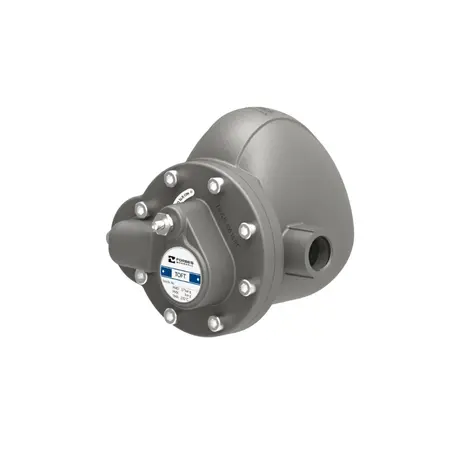
Install steam-operated pump traps and optimize steam pressure. This prevents condensate logging, maintains uniform temperatures, cuts steam waste, improves PHE uptime and eliminates costly reprocessing.
Warmers: How to Reduce Energy Use and Run at Rated BPM/RPM
The warmer gradually raises bottle temperature to prevent condensation, and enable efficient sleeving. Though a small part of the line, its efficiency directly affects label quality, packaging appearance, and energy consumption.
In many plants, PET warmers show significant temperature variations against zone-wise targets, with deviations of nearly 18°F against set values. Condensate discharge is another issue, with condensate outlet temperatures of 122–140°F, indicating stall. These problems not only increase steam consumption but also reduce condensate recovery, particularly when traps are bypassed to maintain target temperatures.
Replace on/off temperature controls with PID based systems, and float traps with steam-operated pump traps for each zone. This ensures stable zone-wise temperatures, allowing the warmer to run at rated BPM, without the need for energy-wasting workarounds.
At one beverage plant, these changes reduced steam consumption from 25,200 lb/day to 11,800 lb/day, and improved condensate recovery.
Effective Steam System Management Ensures Efficiency with Sustainability
Each of these processes is different but they all share a common requirement: effective steam and condensate management. Inefficiencies in one operation add up across thousands of cycles, millions of bottles, and countless batches. What looks like a small deviation can become a major annual cost.
For beverage plants, stakes go beyond cost. Product quality, regulatory compliance, and sustainability commitments, all rely on how well steam systems are managed. With an integrated approach covering steam generation, distribution, utilization and recovery, plants can cut costs, ensure sustainability, build consumer trust, and future-proof operations.