65 Kilolitres of treated water saved annually using EverSense for WaterMAP

The existing water distribution network in the old city area of a hill station in Himachal Pradesh, India was aging and inefficient. This was leading to unreliable supply, high losses, and unequal water distribution in densely populated areas of the old city. The absence of continuous monitoring made it difficult to ensure a reliable 24×7 water supply and equitable distribution across consumers. Their partnership with Forbes Marshall Digital began in March 2023 with a shared objective to transform the water distribution network in a pilot area into a 24×7 water supply system by implementing both: gravity-fed water supply for lower regions, and pumped supply for elevated zones using EverSense for WaterMAP, a Forbes Marshall Digital solution.

Objective

PROBLEM

Water loss was high as the Non-Revenue Water (NRW) was at 45% due to leakages and unauthorised connections.

System reliability was low, with frequent downtime and no traceability against the benchmark of 85%.

Unequal water distribution led to hilly regions experiencing prolonged water shortages as equal water supply is not sent to all the reservoirs at the hilltop. Low lying areas faced high pressure resulting in frequent equipment failure (RO purifier, Washing Machine, etc.) and pipe bursts due to unregulated pressure.

Citizens incur indirect costs, spending an average of INR 5,640 annually on alternative water arrangements such as tankers and booster pumps.

Solution

SOLUTION

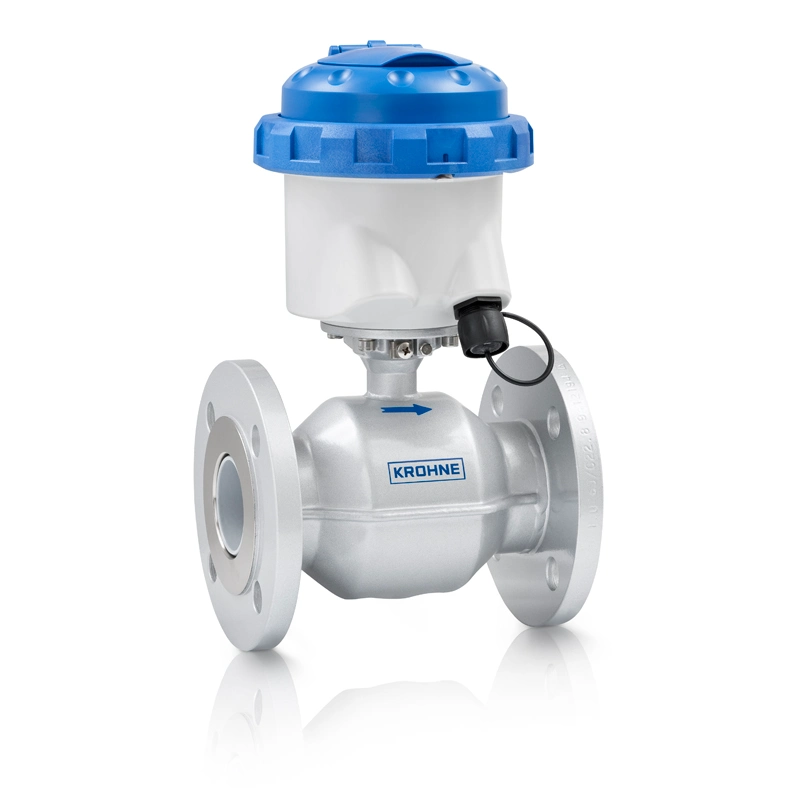
Implemented real-time monitoring by installing flow meters at every inlet and outlet of all seven reservoirs. These were integrated with our cloud-based data platform, EverSense, for real-time tracking.

Redesigned the water network by eliminating unnecessary Flow Control Valves (FCVs) and optimising the separation of pumping and gravity mains.

Studied the hydraulic flow patterns and identified air ingress in gravity lines. With this, we were able to correct a previously unnoticed 20% error in consumption measurement.

Strengthened pressure management by installing 60 Pressure Reducing Valves (PRVs). This lowers excessive nodal pressures from 280m to a safe 60m water head, significantly reducing pipe bursts in low-lying areas.

Benefit

BENEFITS

Non-Revenue Water (NRW) lowered from 45% to 34%, achieving a 11% reduction.

System asset uptime increased to 95%, against the benchmark of 85%.

Stabilised the unstable equitable supply levels by monthly recommendation of SOP’s to achieve 70% equitable distribution using smart scheduling. Data has also provided insights for implementation of edge based curated automation for the WSS for further improvement in equitable distribution over 95%.

Achieved a 10% reduction in energy consumption through power factor correction.

The reduction in NRW and pumping inefficiencies saves INR 42 Lakhs annually.

Saved over 65KL (17K Gallons) of treated water annually, equivalent to 40 days of supply for the entire city through manual intervention based on digital insights. This can be further improved by automating this equitable distribution process in the future.

Reduced carbon emissions by ~160 Tonnes annually through energy optimisation measures.

Associated Services

Process Optimization

Process Optimization

Arrow
Improving Uptime

Improving Uptime

Arrow
Forbes Marshal Digital

Forbes Marshal Digital

Arrow

Associated Services

What to read next