
Addressing the Dairy Plant Efficiency Gap: A Holistic Strategy for Profitability and Sustainability
- Dairy processors can reduce fuel consumption by up to 20% and significantly increase throughput by mastering a single controllable factor: steam system efficiency.
- By transitioning from group steam trapping and manual controls to individual trapping, precise pressure management, and heat recovery, plants can stabilise critical processes like pasteurisation and spray drying while lowering both CAPEX and OPEX.
The Hidden Competitor: The Utility Efficiency Gap
Across the global dairy industry, a startling performance gap has emerged. Benchmarking studies by Forbes Marshall reveal that some plants consume three times more energy per gallon of milk processed than others, despite having similar scales and products.
With raw milk accounting for approximately 70% of total production costs, utility efficiency is the most powerful “controllable lever” a plant manager has to protect margins. Mastering steam isn’t just about maintenance; it’s a long-term competitive advantage.
Transforming the Boiler Room into a Profit Center
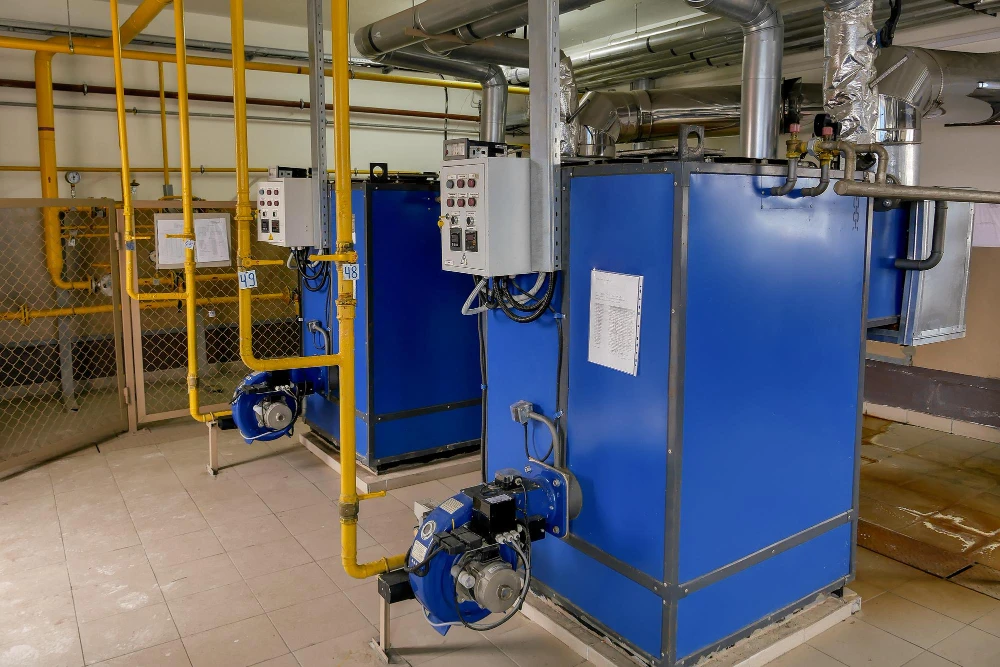
Efficiency begins at the source. While boilers should operate at 90% efficiency, issues like fluctuating loads and poor combustion often secretly erode performance.
Key Performance Metrics for Boiler Excellence:
- Steam-to-Fuel Ratio: Aim for approximately 85 Lbs/Therm.
- Oxygen (O2) Levels: Maintain stability between 3–4%.
- Feedwater Temperature: Ensure it stays near 212°F without relying on live steam injection
- Automated Blowdown: Use this to control Total Dissolved Solids (TDS), preventing scaling that damages downstream equipment.
A common mistake is operating boilers at low pressure. Distributing steam at the boiler’s rated pressure reduces specific volume, allowing for smaller pipelines (lower CAPEX) and drier steam at the point of use.
Optimizing Core Dairy Processes
Pasteurizers: Eliminating the “Stall”
Inconsistent temperatures (typically ~172°F) often trigger Flow Diversion Valves (FDV), forcing costly product reprocessing. This is usually caused by stall—where upstream pressure drops below downstream pressure, trapping condensate in the system.
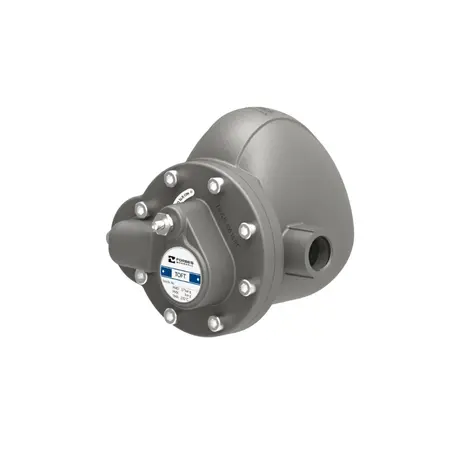
The Solution: Use steam-operated pump traps to maintain uniform temperatures.
The Result: One dairy reduced FDV openings from 20 per day to just one, while increasing milk processed from 3.5 to 6.2 gallons per pound of steam.
Multiple Effect Evaporators (MEEs): Maximizing Throughput
Conventional controls often fail to adapt to variations in milk flow or vacuum levels, leading operators to lower feed rates to maintain concentration.
The Strategy: Implementing a control philosophy that manages steam flow for each feed range and maintains vapor balance can improve steam economy by 15–20%.
Spray Driers: Achieving Uniform Moisture
Fluctuating air temperatures lead to clumping or reduced product weight. This is often due to “group trapping” of radiator cassettes, which hinders heat transfer.
The Fix: Transitioning to individual trapping for each cassette and recovering flash steam to preheat incoming air.
Case Study: A 40,000 Lbs/day dryer saved 1,206 Lbs/hour of steam by stabilizing air temperatures through better trapping.Clean-In-Place
Clean-in-place (CIP): Faster, More Reliable Cycles
Many plants struggle with long start-up times despite high steam supply.
The Solution: Reducing steam pressure to below 30 PSIg and using precise temperature controls can eliminate stall and deliver 5–7% steam savings.
From Data to Dominance: An Integrated Ecosystem
True operational gains occur when you view your steam and process systems as a single, integrated ecosystem. While digital tools provide the necessary visibility into trap performance and fuel use, data is only the starting point. The ultimate goal is to use that data to drive targeted, holistic actions that transform plant performance.